
Pet Laparoscopic surgery
Laparoscopic Pet Surgery in Kompally – Minimally Invasive Procedures
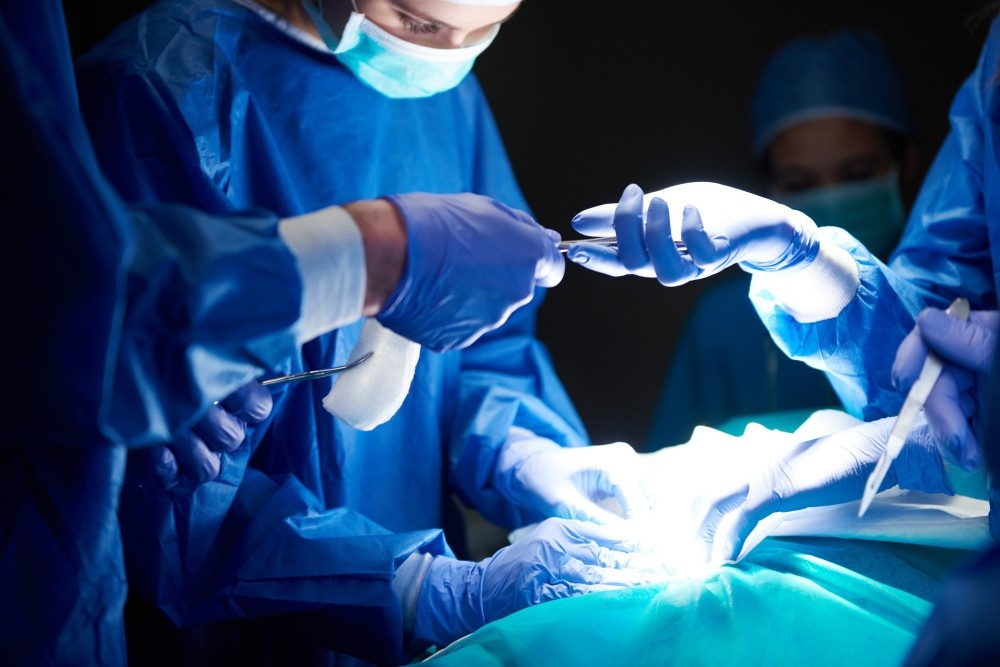
Laparoscopic (keyhole) surgery is a modern technique that uses small incisions, a
high-definition camera, and precision instruments to perform surgical procedures with
minimal trauma. Pawfex is equipped with advanced laparoscopy systems, enabling safer
and faster recovery for pets.
Benefits of Laparoscopic Surgery
- Small incisions and minimal scarring
- Reduced pain
- Quicker recovery
- Lower infection risk
- Greater surgical accuracy
Internal Links (Recommended)
- Pet Surgery
- Endoscopy
- Orthopaedic Surgery
- ICU Care
Common Laparoscopic Procedures
- Spay (Ovariohysterectomy)
- Cryptorchid surgery
- Biopsy procedures
- Gastropexy
- Exploratory laparoscopy
FAQ'S
What is the difference between open surgery and laparoscopy?
Laparoscopy uses tiny incisions and a camera, resulting in faster healing and less pain.
Is laparoscopic spay safer for pets?
Yes, it reduces tissue trauma and bleeding, making recovery smoother.
How long is the recovery after laparoscopic surgery?
Most pets resume normal activity within 1–3 days.
Are all surgeries suitable for laparoscopy?
No, some complex procedures still require open surgery.
Is general anaesthesia required?
Yes, controlled gas anaesthesia is used for precision and safety.
Do you provide pain management after surgery?
Yes, pain medication is provided for comfort and healing.
How many incisions are made?
Typically 1–3 small incisions depending on the procedure.
Can older pets undergo laparoscopic surgery?
Yes, after proper evaluation including blood tests and imaging.